Know Your Pests
Identifying the pest is the first step to getting rid of it. Learn about the most common pests in Northern Nevada and how we treat them.
Common Northern Nevada Pests
Click any pest to learn identification tips, prevention advice, and how we treat it.
Ants
The #1 nuisance pest in Northern Nevada homes
Ants
The #1 nuisance pest in Northern Nevada homes
Identification
Look for visible trails, small piles of dirt or sand near foundation cracks, and winged ants near windows (indicating a colony indoors). Common species include pavement ants, carpenter ants, and odorous house ants.
Prevention
Store food in sealed containers, clean up crumbs immediately, seal cracks and crevices, and address moisture issues. Carpenter ants are attracted to damp wood — fix leaks and remove water-damaged materials.
Our Treatment
We identify the ant species, locate the colony, and use targeted treatments that eliminate the nest rather than just the visible ants. Perimeter barriers prevent re-entry.
Spiders
From harmless house spiders to dangerous black widows
Spiders
From harmless house spiders to dangerous black widows
Identification
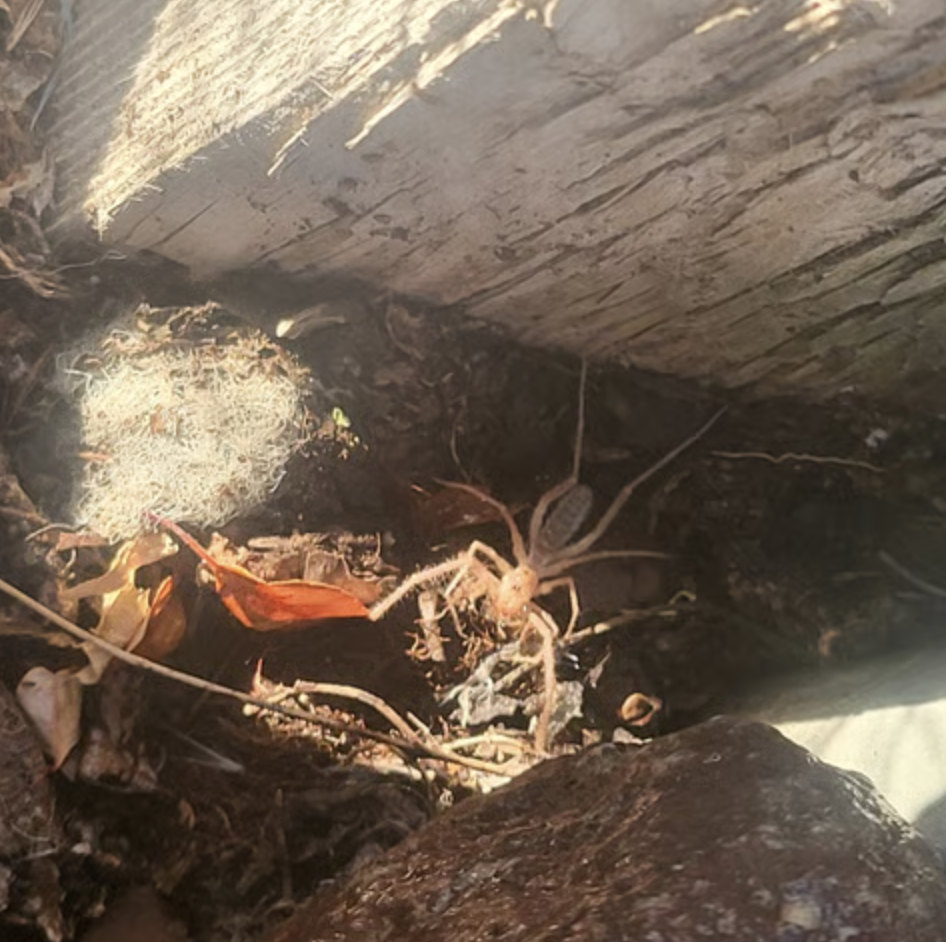
Northern Nevada is home to several species including black widows (shiny black with red hourglass marking), wolf spiders (large, hairy, fast-moving), and common house spiders. Look for webs in corners, under eaves, and in dark, undisturbed areas.
Prevention
Reduce clutter, trim vegetation away from the house, seal gaps around doors and windows, and remove visible webs promptly. Outdoor lighting attracts insects that spiders feed on — use yellow bulbs to minimize attraction.
Our Treatment
We remove all visible webs and spiders, apply a safe perimeter treatment that keeps spiders out, and target dark areas where spiders hide. Black widow infestations receive specialized attention.
Wasps & Stinging Insects
A serious safety risk — don't try to remove these yourself
Wasps & Stinging Insects
A serious safety risk — don't try to remove these yourself
Identification
Paper wasps build umbrella-shaped nests under eaves and overhangs. Yellow jackets nest in the ground or wall voids and are highly aggressive. Hornets build large paper nests in trees and shrubs. All species become more aggressive in late summer.
Prevention
Inspect your property in spring and early summer when nests are small. Seal exterior gaps, cap chimneys, and keep garbage cans tightly sealed. Avoid sweet-smelling perfumes and bright clothing outdoors during peak wasp season.
Our Treatment
We safely remove live nests and treat the area to discourage rebuilding. All products are family and pet-safe once dry. Do not attempt to remove large nests yourself — serious injury can result.
Rodents
Mice and rats cause real damage — don't ignore the signs
Rodents
Mice and rats cause real damage — don't ignore the signs
Identification
Look for droppings, gnawed food packaging, scratching sounds in walls or ceilings (especially at night), and greasy rub marks along walls. Mice can enter through holes as small as a dime. Common species include house mice and roof rats.
Prevention
Seal entry points — check around pipes, vents, roof lines, and foundation gaps. Store pet food and bird seed in sealed metal containers. Keep firewood piles away from the house. Trim tree branches that touch the roof.
Our Treatment
We inspect the entire structure to find entry points, humanely remove existing rodents, seal all access routes, and provide guidance on preventing future infestations. No poisons left where pets or children could access them.
Snakes
Common in Northern Nevada yards — most are harmless but require safe removal
Snakes
Common in Northern Nevada yards — most are harmless but require safe removal
Identification
Northern Nevada is home to several snake species including gopher snakes (non-venomous, tan with dark blotches), garter snakes (striped, harmless), and the occasional rattlesnake in warmer months. Rattlesnakes are identifiable by their triangular head, rattle at the tail tip, and distinctive buzzing sound when threatened. Most snakes are beneficial and non-aggressive but should never be approached.
Prevention
Remove rock piles, wood piles, and tall vegetation near the house that provide hiding spots. Seal gaps under sheds, decks, and foundations. Keep grass short and remove debris. Rodent control also reduces snake attractants — snakes follow their food source.
Our Treatment
We safely identify and remove snakes from your property, relocate non-venomous species away from homes, and handle venomous snake situations with appropriate equipment. We also provide exclusion services and habitat modification advice to make your property less attractive to snakes.
Scorpions
Painful stingers that thrive in Northern Nevada's desert climate
Scorpions
Painful stingers that thrive in Northern Nevada's desert climate

Identification
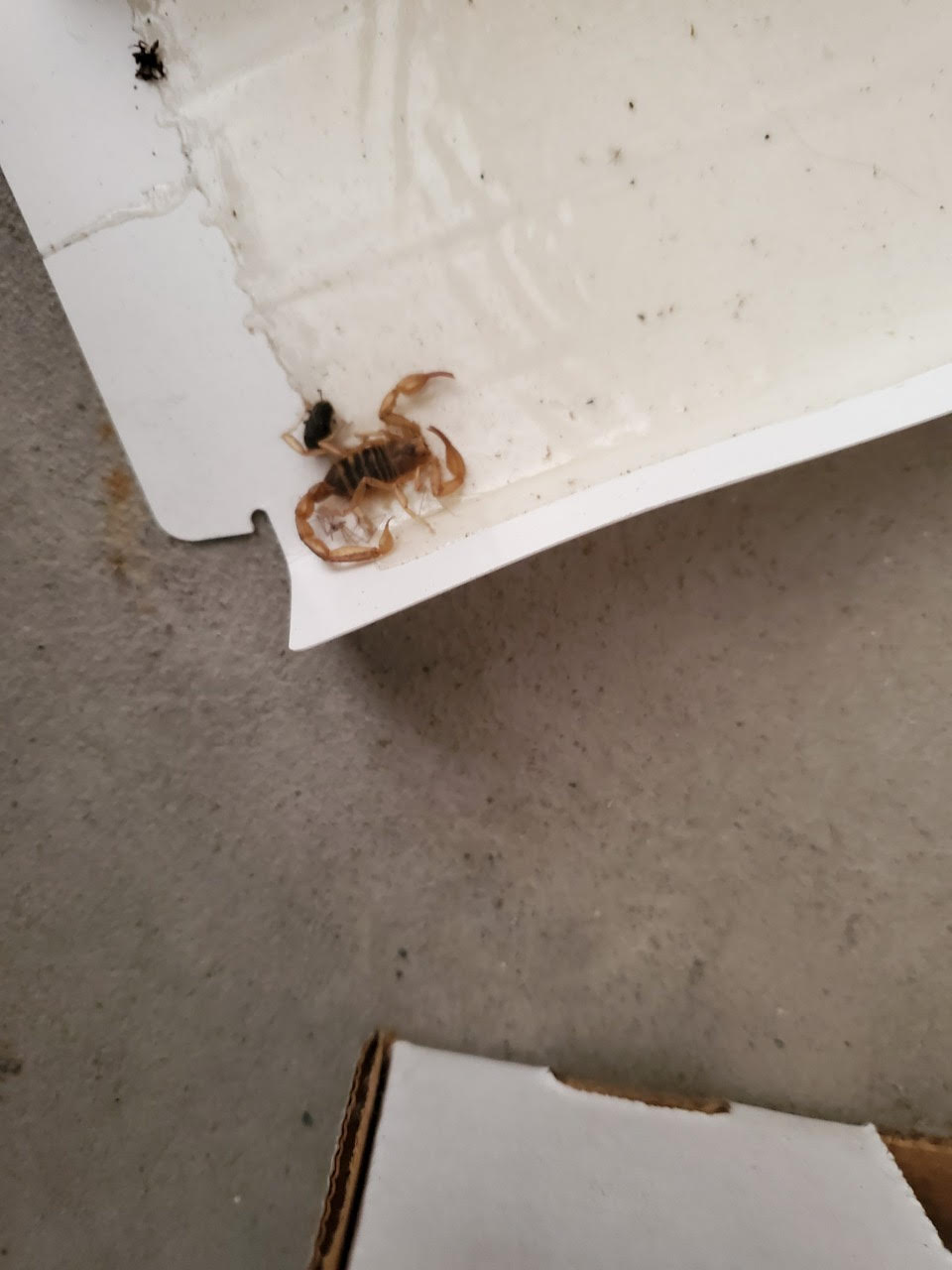
Two brown scorpions on white boxes against a concrete floor. The most common species in Northern Nevada is the striped bark scorpion — light brown, 2-3 inches long, with a slender tail and pincers. They hide during the day in dark, cool places like garages, crawl spaces, and woodpiles, then come out at night to hunt insects. They glow bright blue-green under UV light, which is how our technicians spot them during inspections.
Prevention
Remove debris, woodpiles, and rock piles from around your foundation. Seal cracks and gaps around doors, windows, and pipes. Turn off outdoor lights at night that attract the insects scorpions feed on. Wear shoes in the garage and check clothing before putting it on. Keep your yard free of excess moisture and dense ground cover.
Our Treatment
We perform a thorough blacklight inspection of your property to find scorpion hiding spots, apply targeted residual treatments to foundation perimeters and entry points, and provide ongoing prevention advice. We focus on safe, family-friendly products that keep scorpions out without putting your kids or pets at risk.
Cockroaches
Fast breeders that demand immediate attention
Cockroaches
Fast breeders that demand immediate attention
Identification
Northern Nevada sees German cockroaches (small, tan, with two dark stripes) and Oriental cockroaches (dark brown to black, larger). Look for droppings, egg cases, and a musty odor. They're most active at night and scatter when lights turn on.
Prevention
Eliminate food and water sources — fix leaks, clean up spills, don't leave pet food out, and keep areas dry. Seal cracks around baseboards, cabinets, and plumbing penetrations.
Our Treatment
We use targeted gel baits and insect growth regulators that eliminate the entire colony over successive generations. One treatment often isn't enough — we monitor and re-treat as needed until the infestation is gone.
Seasonal Invaders
Earwigs, silverfish, centipedes, and more
Seasonal Invaders
Earwigs, silverfish, centipedes, and more
Identification
These pests typically enter homes in spring and fall seeking moisture, shelter, or cooler temperatures. Earwigs have distinctive pincers. Silverfish are silvery, teardrop-shaped insects found in damp areas. Centipedes are fast-moving with many legs.
Prevention
Reduce moisture around foundations, clear mulch and debris from perimeter, seal entry points, use dehumidifiers in basements, and ensure proper drainage away from the house.
Our Treatment
We apply perimeter treatments that create a protective barrier around your home. Interior treatments target specific areas where these pests congregate. Seasonal protection plans keep them out year-round.
Pest Photos & Videos
See what we deal with — and how we handle it.


Pest control in action
Pest treatment demonstration
Pest control service
Found Something You Can't Identify?
Send us a photo or describe what you're seeing — we'll identify the pest and recommend the right treatment at no charge.